 Sky Map
Free · Open source · Since 2009
The Universe in your Pocket.
Hold your phone toward the sky and Sky Map shows you what's there: constellations, planets and deep-sky objects, with an info card for each.
- 4.2★
- lifetime on Google Play
- 4.6★
- on version 2
- 104M+
- downloads
- 1,900
- GitHub stars


 Coming soon
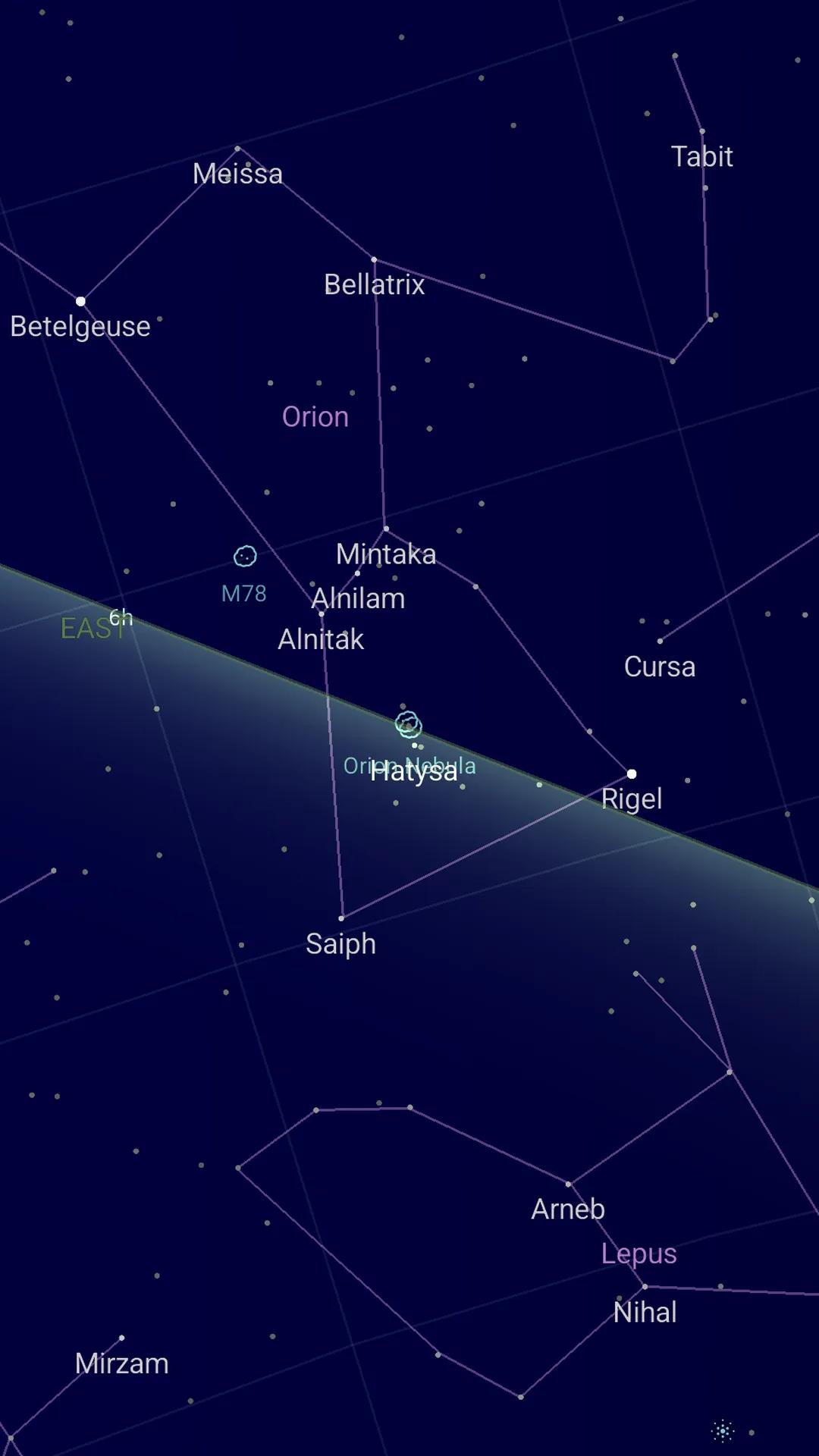
Point. Find. Learn.
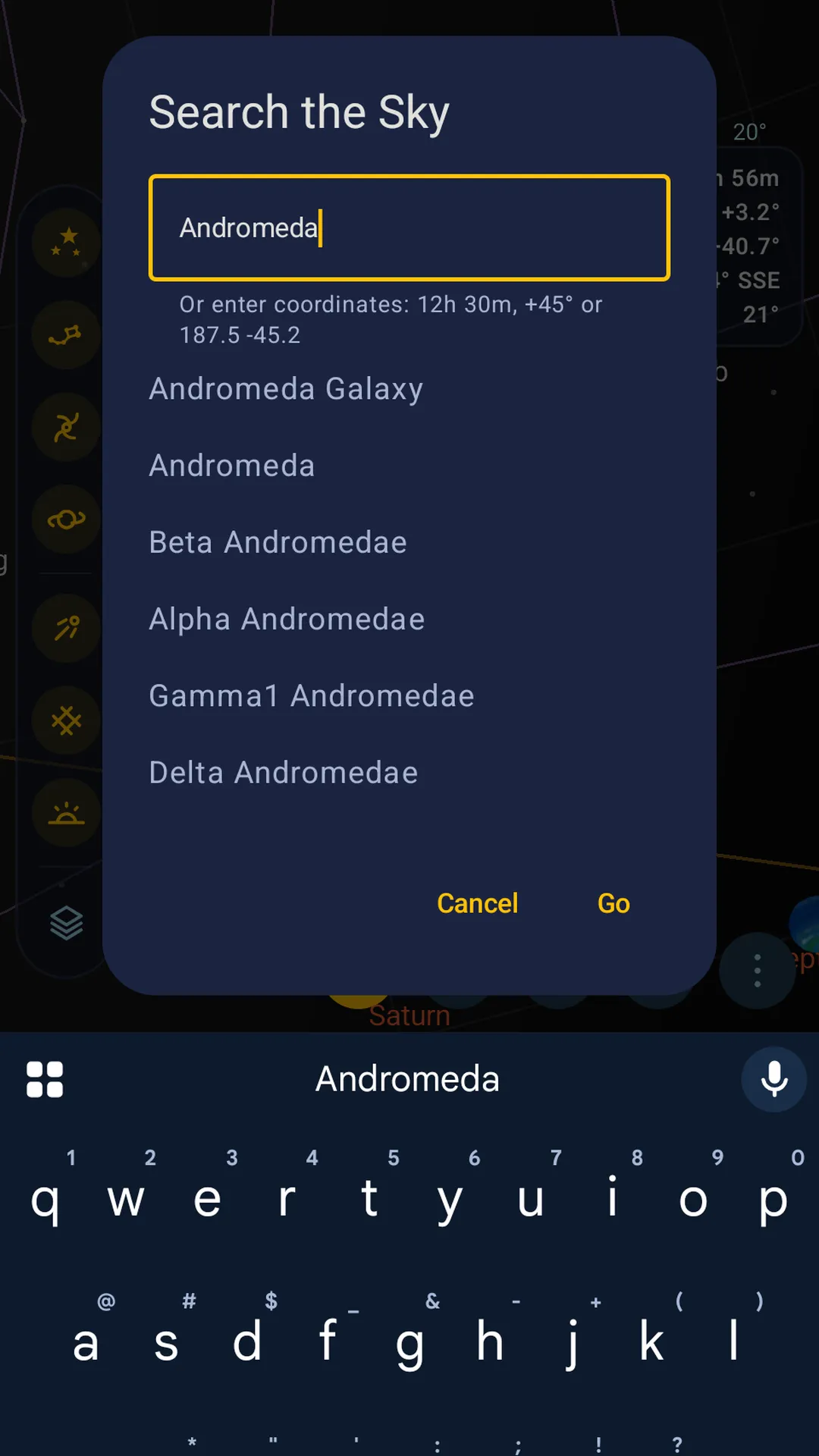
Find anything
Search by name, designation or coordinates, then follow the arrow on screen until the target is centred.
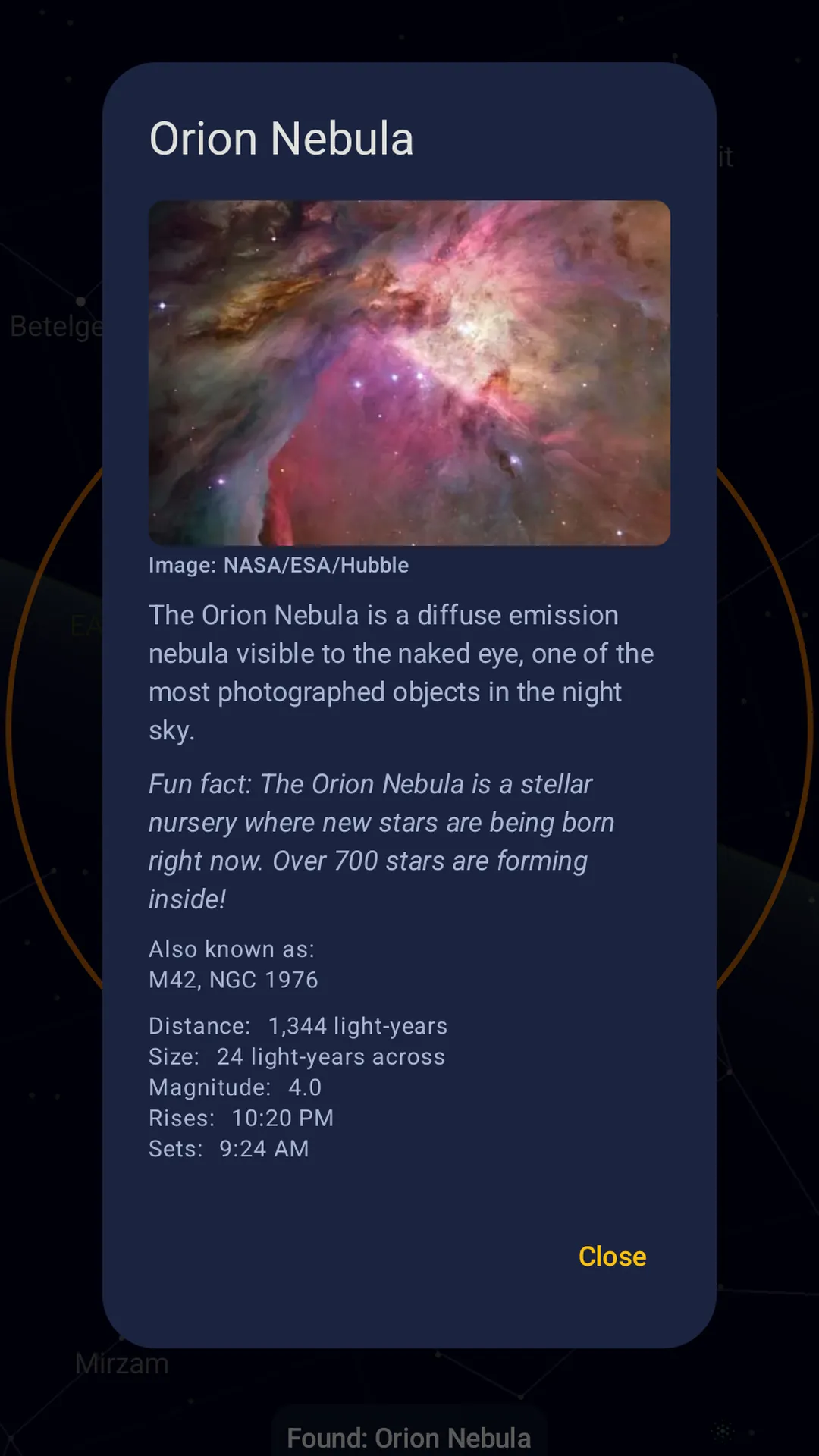
Learn what you're looking at
Tap an object for a photo, a description, key facts and when it rises and sets where you are.
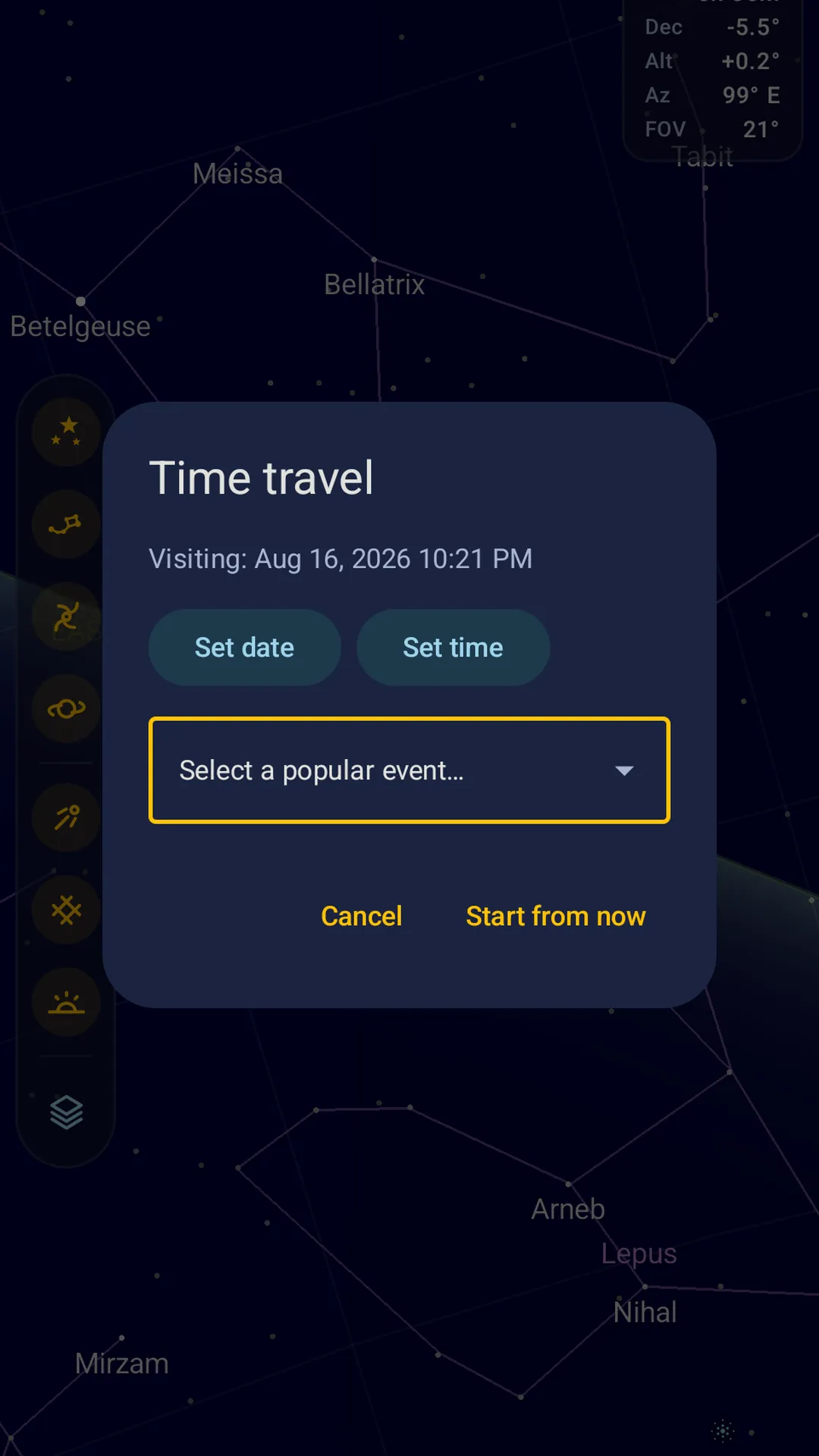
Travel in time
Run the sky forward or back, from the year 1600 to 3000, or jump to the next sunset, full moon or eclipse.
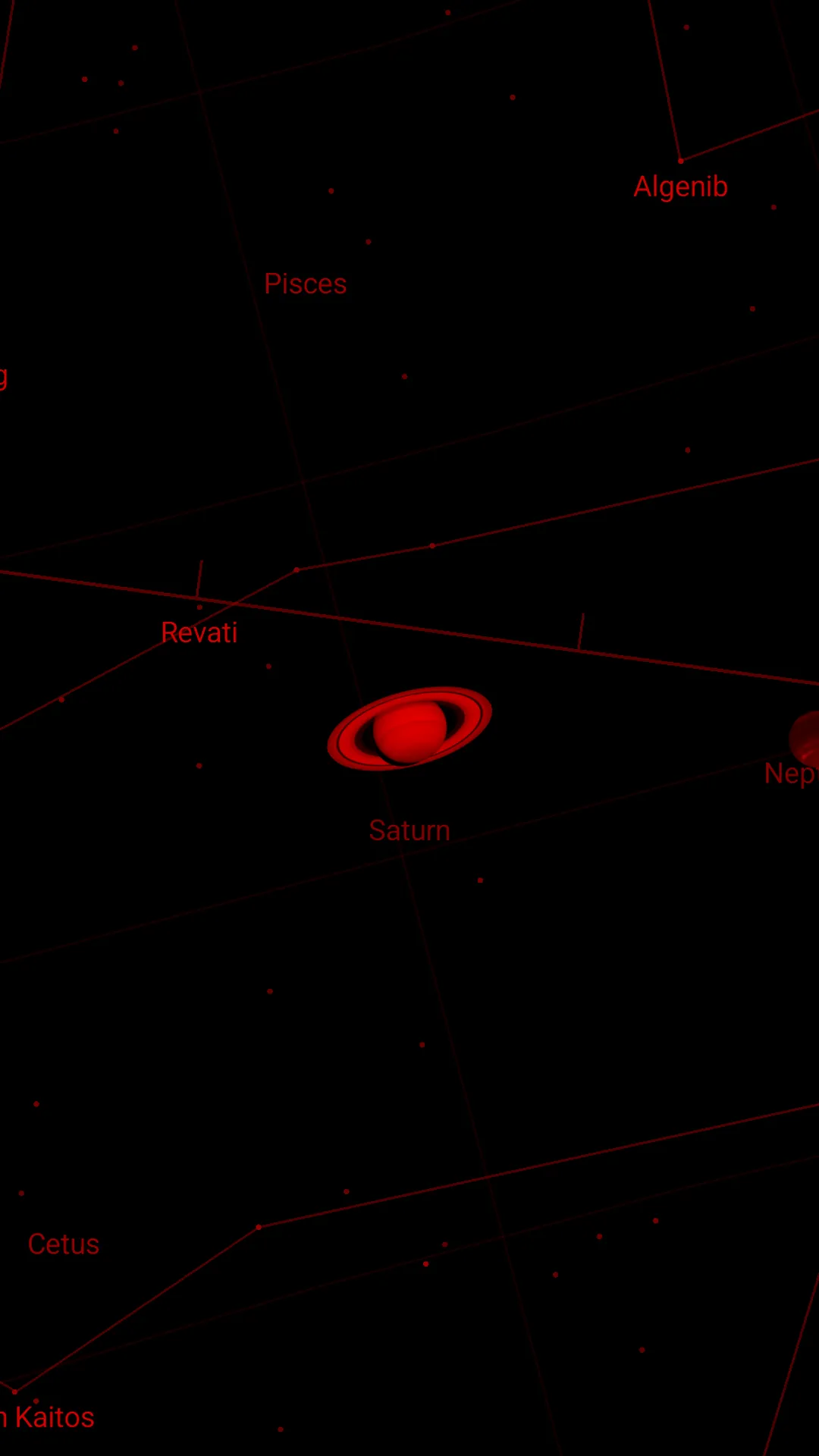
Night mode
A red-shifted display that keeps your eyes dark-adapted at the eyepiece or in the field.
Version 2
Rebuilt from the ground up
Sky Map 2 is a new app with a new sky renderer, the same free price, and fewer rough edges.
Rise and set times on every card
Planet, star or galaxy: see when it next rises and sets where you are, and whether it never sets at all.
A pointing readout
Right ascension and declination, altitude and azimuth, and the field of view, live on the map.
Tap to identify, out of the box
Tap any labelled object for its card. It was switched off by default in v1.
Eclipses at the right time
The Sun and Moon are computed far more precisely, so an eclipse peaks when it actually does.
Venus and Mercury have phases
Zoom in and watch them wax and wane, instead of flat, fully lit dots.
28 languages
Fully translated, help included.
“excellent app, the new rewrite made it even better”
“This app is magic. Thank you for making and maintaining it.”
“A great app; my favorite for identifying sky objects. Also good to see it's receiving updates again. Well done to the devs!”
“This app has been my favorite for a long time, I've tried others but I always come back to this one, the best!”
“the new update is incredible and it goes super smooth when moving the phone.”
“I really appreciate being able to identify what I'm looking at in the sky, and being able to brag to myself when I'm right.”
“Awesome update, the redesign is quite the improvement. Everything just seems to function better and I love the more modern look. Thank you”
“The app just became so much more beautiful, like the sky in a dream!”
“The updated version of the app is very nice. I liked the time travel feature added in the update.”
“This well-made app has been a favorite of mine for years. The recent, significant improvements are immediately impressive.”
“The new version is a fantastic upgrade. Thanks for all the work you put in!”
“I've always used this app over others because it is easy and informative.”
“I'm pretty sure I've had this installed since 2009 when I bought the Motorola Droid. Just such an awesome app, thanks to everyone who has maintained it and enhanced all these years.”
“Thanks for making stargazing so easy and amazing no matter where I am.”
“Excellent app and support. Great information and very useful. I had an issue that the map was not moving, but the developers responded very quickly and friendly to my question and fixed the problem. Very satisfied with the whole experience. Highly recommended.”
“I've been a user since the days of the HTC Hero, but I'm loving the new version! Thanks for helping me find everything from constellations to eclipses to meteor showers and more.”
“What can be said about this app that hasn't already been said... It's brilliant.”
“The app is great teacher and provides me with so much understanding of the night sky, galaxies, and constellations, and it has allowed my curiosity regarding them to flourish!”
“I've been using it for 10 years. The new look is worth six stars.”
Still free. Still independent.
Sky Map began in 2009, was open-sourced in 2012, and relaunched as version 2 in 2026. It is maintained as a passion project by those who created it, with no ads, no account, and analytics you can switch off.